Graffland x G2G Textiles: 360° Digital Print Tees
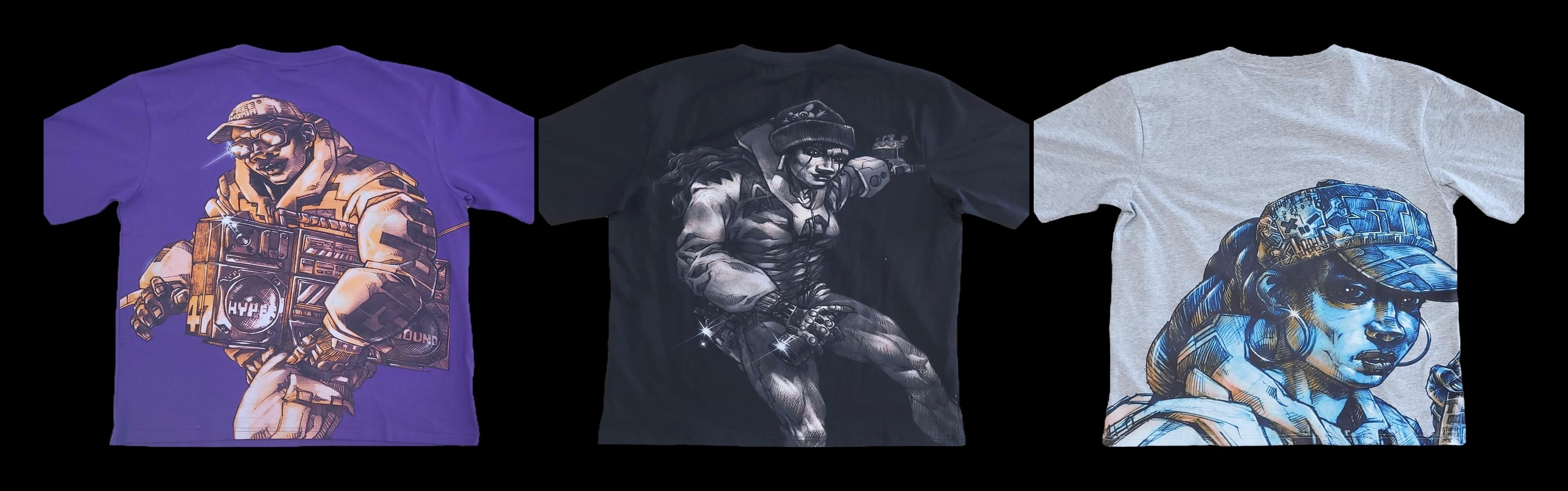
When Graffland — the Zürich-based graffiti culture hub, store and creative space — decided to launch their own clothing line, the brief was anything but simple. Three t-shirt designs, each featuring a different complex full-coverage graphic, printed 360 degrees around the garment. No compromises on colour accuracy or detail.
This case study shows how we took their artwork from screen to finished garment — managing the technical challenges of large-scale digital printing on heavyweight cotton across a 100-piece run per style, delivered in 10 weeks.
Project Snapshot
- Client: Graffland (Zürich)
- Product: 360° Digital Print T-Shirt — 3 styles
- Category: Custom T-Shirt Production
- Quantity: 100 pieces per style — 300 pieces total
- Techniques: 360° digital print, custom woven neck label
- Fabric: 100% heavyweight cotton
- Production: China
- Sampling: 2–3 weeks
- Total timeline: 10 weeks from development to delivery
- Scope: Product development, sampling, manufacturing
The Client
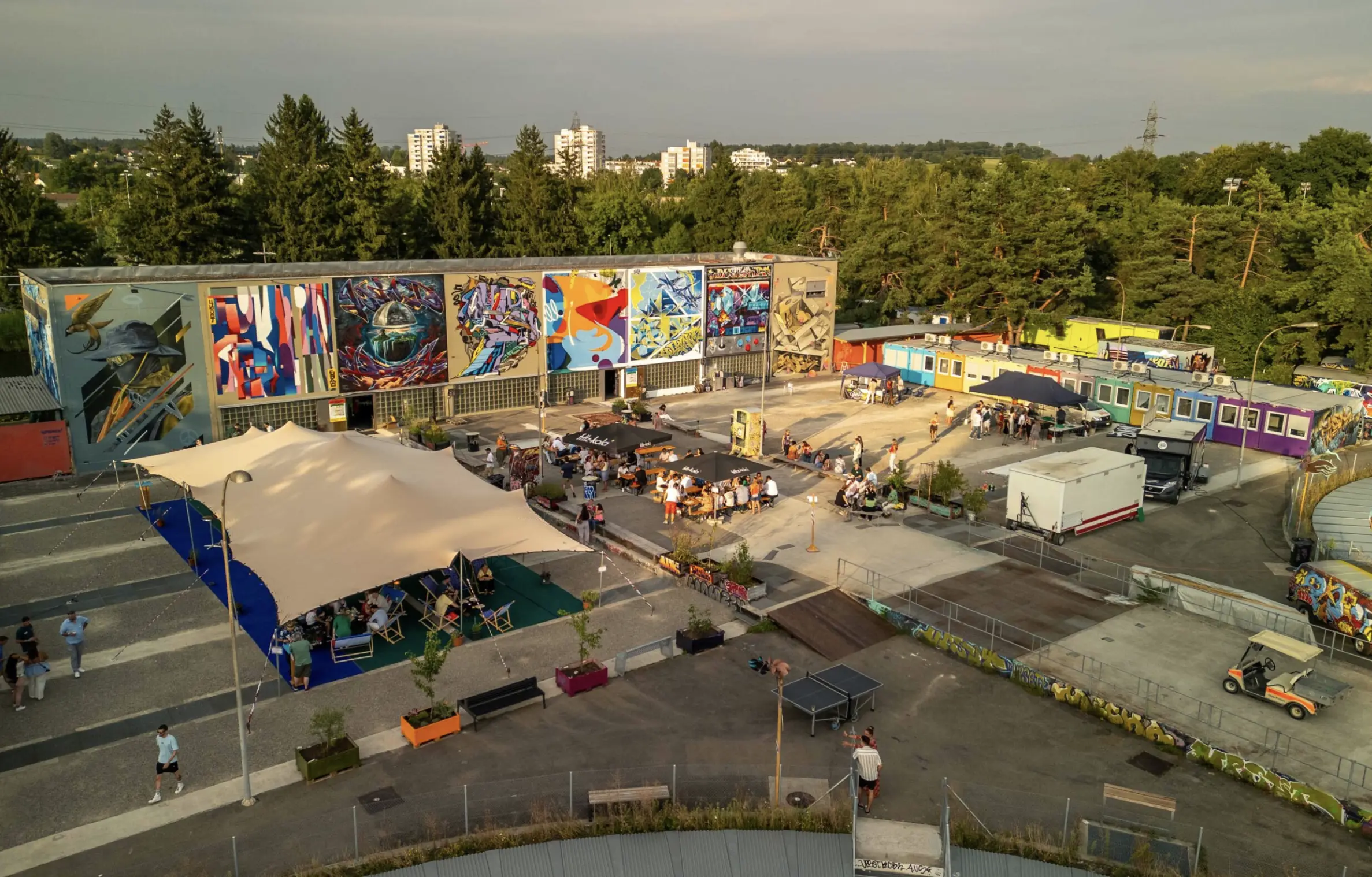
Graffland — formerly known as Dosendealer — is a Zürich-based non-profit association dedicated to fostering peaceful and active exchange among artists. What started as a small basement project has grown into a unique cultural meeting point offering practice spaces, atelier rooms, a café, a shop, regular events and workshops for local and international artists alike.
More than just a legal spray space, Graffland actively manages and supports its infrastructure for artists — creating a platform that sets it apart from conventional graffiti surfaces. Follow them on Instagram (@graffland_dosendealer) to see the creative community they've built.
Launching their own clothing line was a natural next step — translating the bold illustrated aesthetic of graffiti culture into wearable product for their community.
The Brief
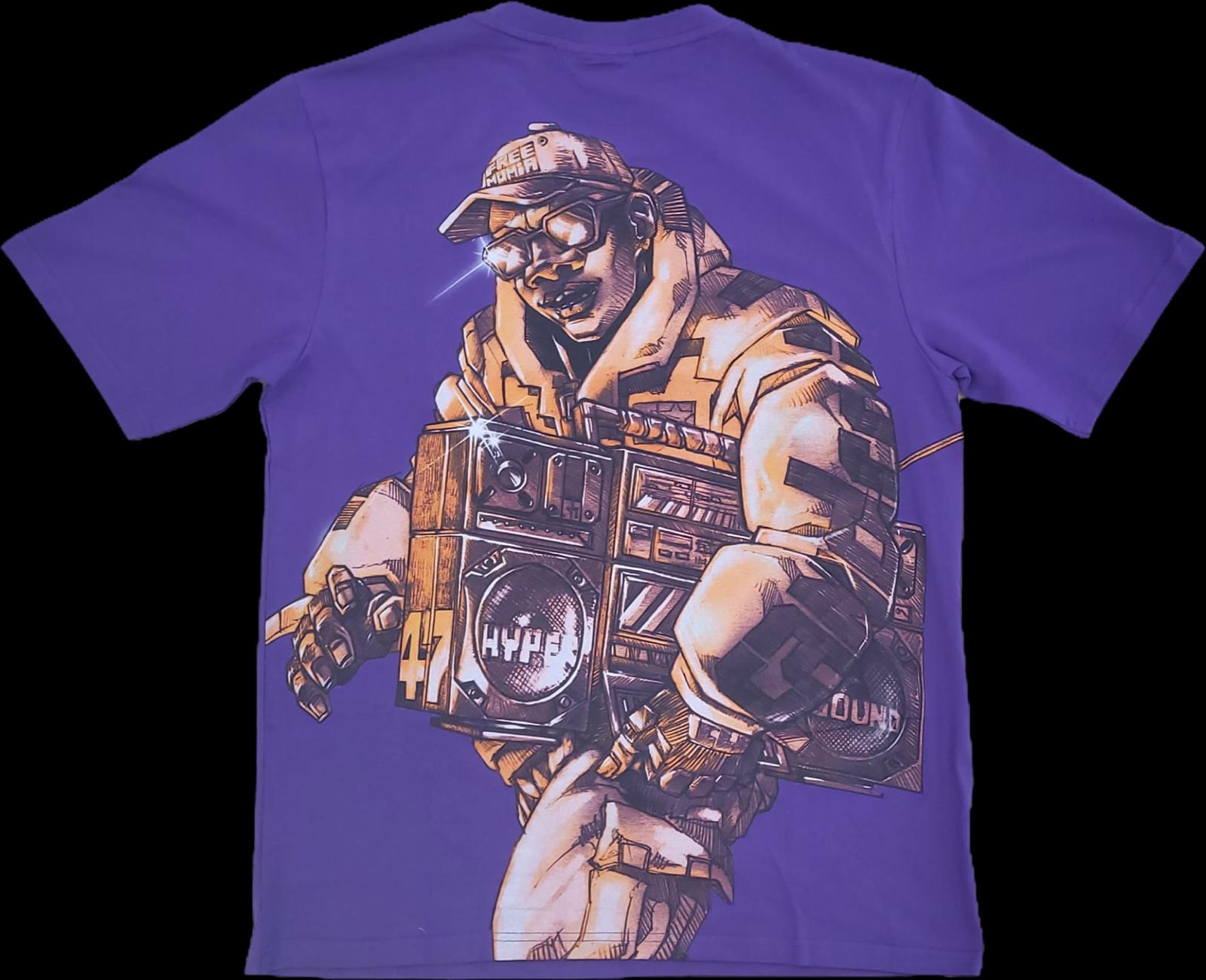
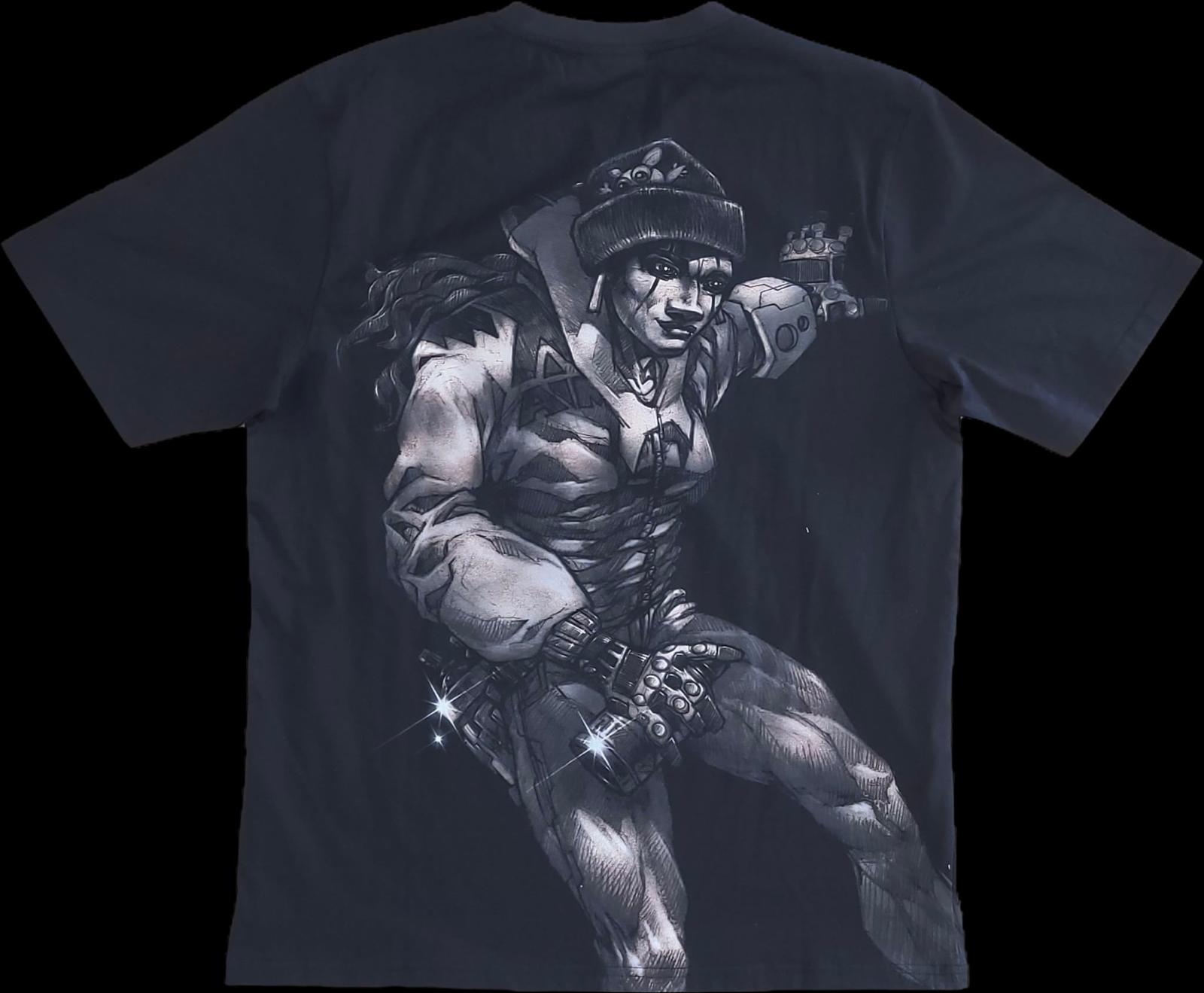
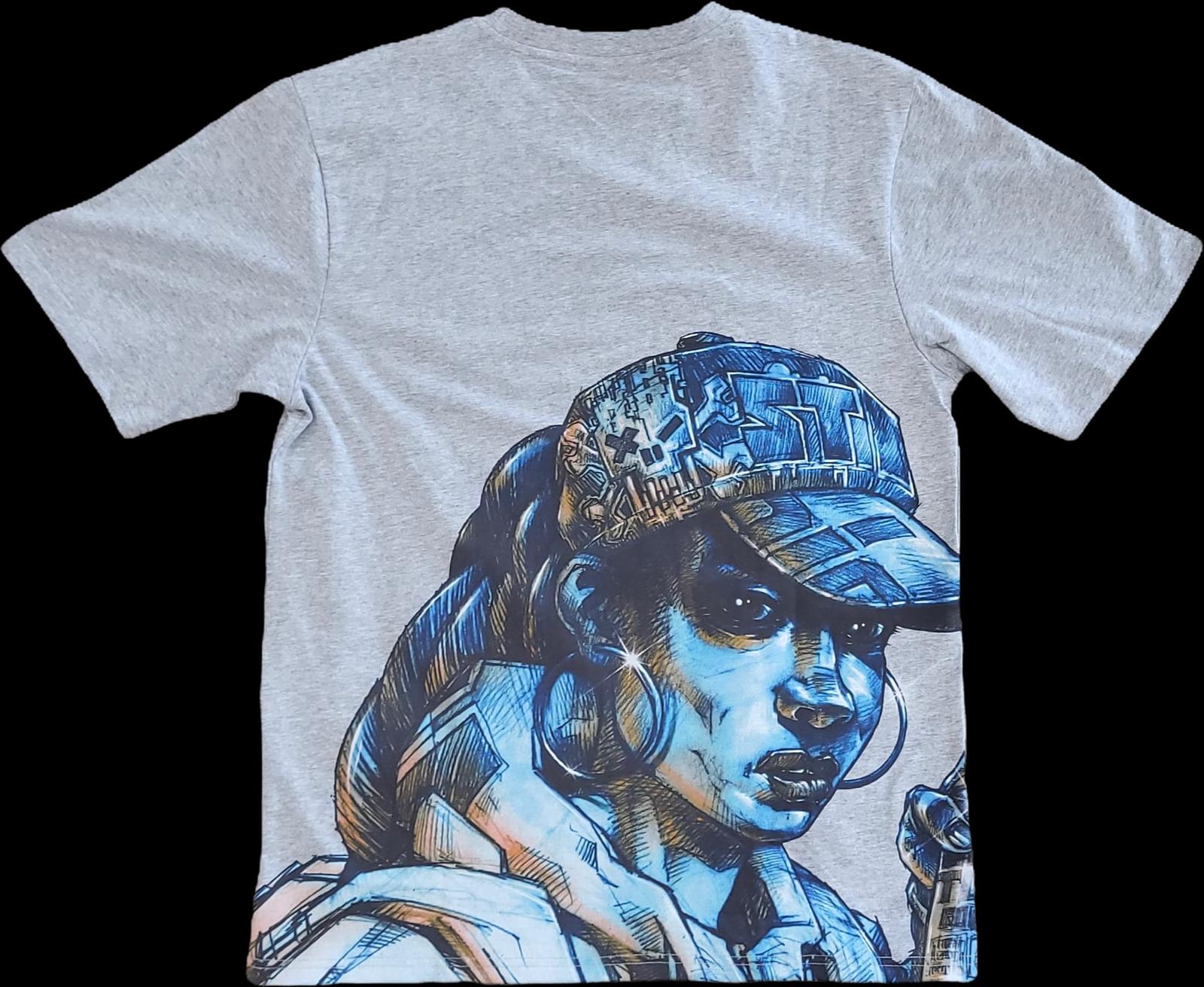
Three styles. Three completely different graphic treatments. Each one a full-coverage design wrapping around the entire garment — front, back and sleeves — with complex illustrated characters, detailed linework and bold colour work that needed to register accurately across every piece in the run.
The core requirements were clear:
- 100% heavyweight cotton — structured, substantial feel consistent with the streetwear positioning of the Graffland brand
- 360° digital print across all surfaces of the garment — front, back and sleeves treated as a single continuous canvas
- Three distinct colourways — purple, black and grey — each requiring its own colour profile and print calibration
- Complex illustrated artwork with fine detail, gradient work and multi-colour character graphics
- Custom woven neck label to complete the branded finish
- 100 pieces per style delivered within a tight window
Key Challenge
The central challenge of this project was technical: executing highly complex illustrated artwork as a 360° wrap print on heavyweight cotton, across three completely different base colours, at consistent quality across 300 pieces total.
360° digital printing is significantly more demanding than standard front or back placement prints. The artwork has to be engineered to wrap continuously around the garment — accounting for seams, sleeve joins and fabric tension — without registration breaks or colour inconsistencies where panels meet.
Heavyweight cotton adds another layer of complexity. The fabric's texture and weight affects how ink absorbs and sits on the surface — particularly for fine detail work and gradient transitions. Getting this right requires careful pre-production colour profiling specific to the fabric, not just the artwork.
Each of the three colourways — purple, black and grey — required its own calibration. The black-on-black style in particular demanded especially precise contrast calibration to ensure the graphic remained visible and detailed rather than flat.
The Production Process
1. Artwork Preparation and Print Engineering
Before sampling could begin, each of the three designs required extensive pre-production work to prepare the artwork for 360° application. This involved mapping the graphic across all garment panels, adjusting for seam placement and engineering the colour profiles for each base fabric colour.
This stage is often underestimated — but on a project with this level of graphic complexity, artwork preparation is as critical as the print itself. An error at this stage compounds across an entire production run.
2. Sampling — 2 to 3 Weeks
A dedicated sampling round of 2 to 3 weeks allowed Graffland to review colour accuracy, detail reproduction and overall garment feel before committing to full production. Each of the three styles was sampled independently, with adjustments made to colour profiles and print settings before sign-off.
For a project of this complexity, the sampling stage is non-negotiable. The investment in getting samples right saved significant time and cost by identifying and resolving print issues before they reached the full production run.
3. 360° Digital Print
Once samples were approved, the full production run was executed using digital printing — the only method capable of handling the colour complexity, gradient work and fine detail of the Graffland artwork at this scale.
4. Custom Woven Neck Label
Each garment was finished with a custom woven neck label carrying the Graffland branding. On a product positioned as a genuine fashion item rather than a printed blank, the label is the finishing detail that completes the package — signalling that the garment was developed intentionally, not produced generically.
The Result
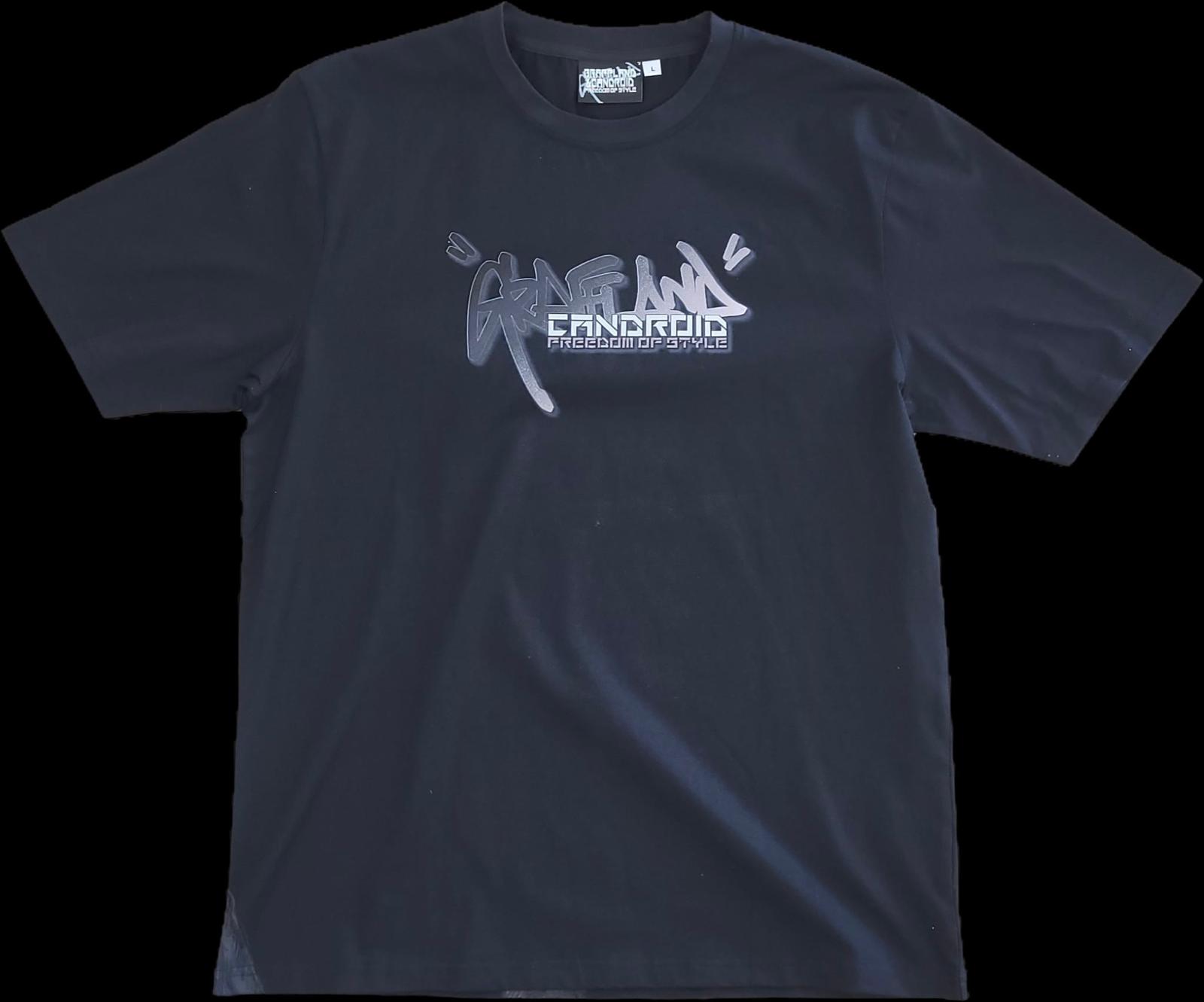
All three styles were delivered within the 10-week production window — 300 pieces total, across three colourways, each with a distinct graphic treatment executed to the standard the Graffland brand required.
The collection sold through extremely well, validating both the product quality and the decision to invest in proper development rather than cutting corners on print complexity.
"We were extremely happy with how the tees came out. The print quality was exactly what we needed for the level of detail in our artwork — and the sell-through spoke for itself."
What This Project Demonstrates
- 360° digital print is achievable at 100 pieces per style — you don't need massive volumes to access complex full-coverage print techniques, but you do need a production partner who can handle the technical requirements properly.
- Sampling is the most important investment on complex print projects — the 2 to 3 week sampling round on this project was what made the final result possible. Skipping it would have been a false economy.
- Different base colours require different approaches — the same artwork on purple, black and grey is not the same print job. Colour management across multiple colourways is a specialist skill.
- Finishing details matter — the custom woven label elevated the Graffland tees from printed garments into a proper branded product, which directly supported sell-through.
Looking to Produce Complex Print Garments?
Whether you're working with intricate illustrated artwork, full-coverage graphics or multi-colourway runs, the key is a production partner who understands the technical demands of the print method — not just the garment.
For a different perspective on custom garment development — combining screen printing and embroidery for a sports club — take a look at our Minimum Bouldering case study. Or see how a Zürich vintage store developed their first own-brand tee in our Bloc Magasin case study.
Follow us on Instagram (@g2g_textiles) for more production examples and behind-the-scenes content.
Have a complex print project in mind?
Tell us about your artwork and we'll come back with an honest assessment of what's achievable, what it will cost and how long it will take.